Politics
Oakland Fiscal Year 2027 Budget Adjusts Business Gross Receipts Tax Thresholds, Shifting Revenue Sources for City Services
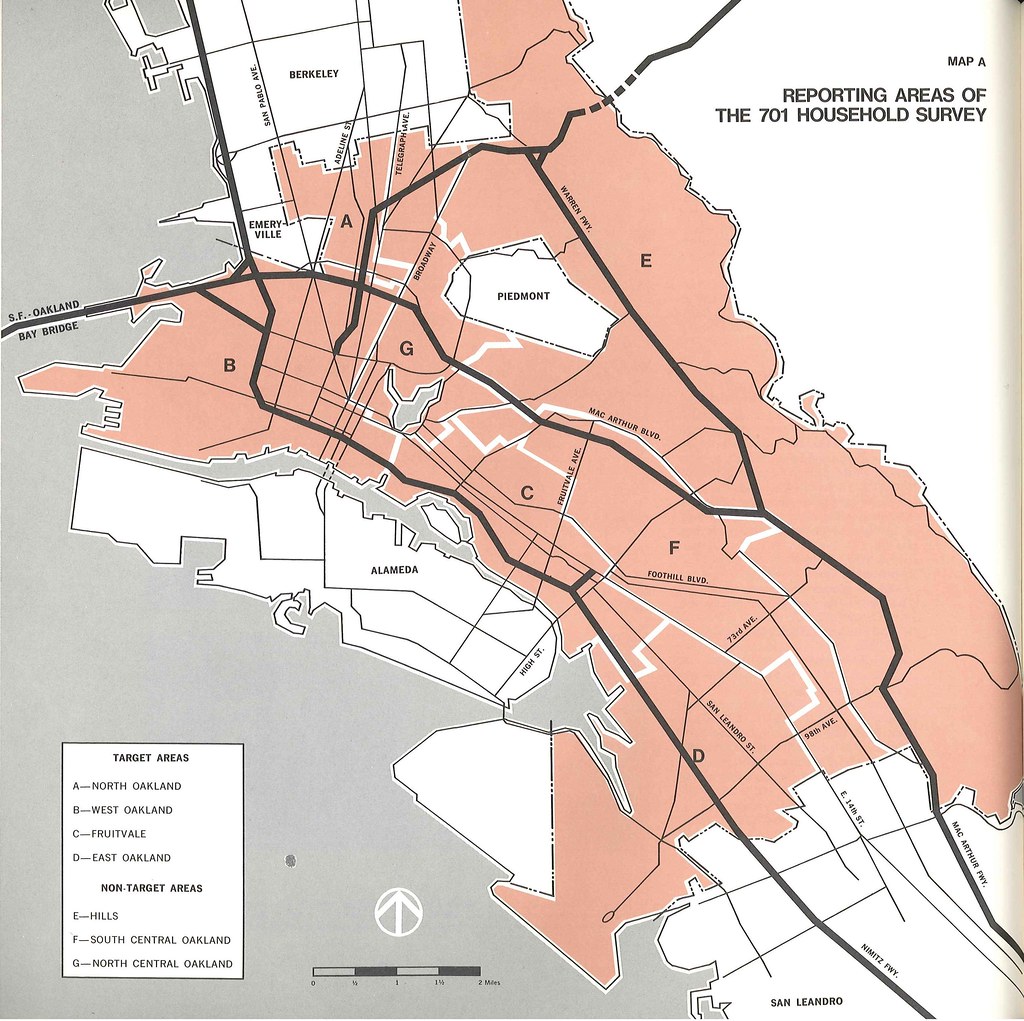
Oakland residents in neighborhoods such as Fruitvale and West Oakland face potential changes to local business activity and city-funded services after the council approved new exemptions in the adopted budget ordinance.
How we reported this
The Oakland City Council passed the fiscal year 2027 budget ordinance on June 30 with revisions to the business gross receipts tax that raise the exemption threshold for enterprises reporting under $1 million in annual revenue.
Background on Current Budget Pressures
City documents show the general fund relies on business taxes for roughly one quarter of its operating revenue while property taxes and state allocations cover the balance. The change responds to filings from the Oakland Chamber of Commerce that documented a 12 percent drop in small retail permits between 2023 and 2025. Local advocates note the adjustment aligns with similar updates in neighboring jurisdictions that took effect last year.
Residents who own or rent from small businesses along International Boulevard stand to see fewer closures if the lower threshold reduces compliance costs. At the same time, larger employers along the waterfront that previously contributed at higher rates will pay reduced amounts, trimming projected contributions to the general fund by an amount the budget office lists as $4.2 million annually.
Effects on Household Costs and Services
East Oakland households that use the Oakland Public Library branches or ride AC Transit routes funded through the general fund could encounter slower replacement of aging vehicles or reduced evening hours beginning in January 2027. Conversely, owners of independent restaurants in the Temescal district may retain more after-tax earnings that some operators say they plan to direct toward employee wages.
The legislation states that revenue shortfalls must be offset by drawing from reserves or by seeking voter approval for new measures in the November 2026 ballot. The city manager’s office projects completion of the first quarterly reconciliation report by October 15.
Implementation begins with updated tax forms mailed to all registered businesses by August 1, followed by public workshops hosted at city hall on the second Tuesday of each month through December.